Does a home lift need a deep pit?
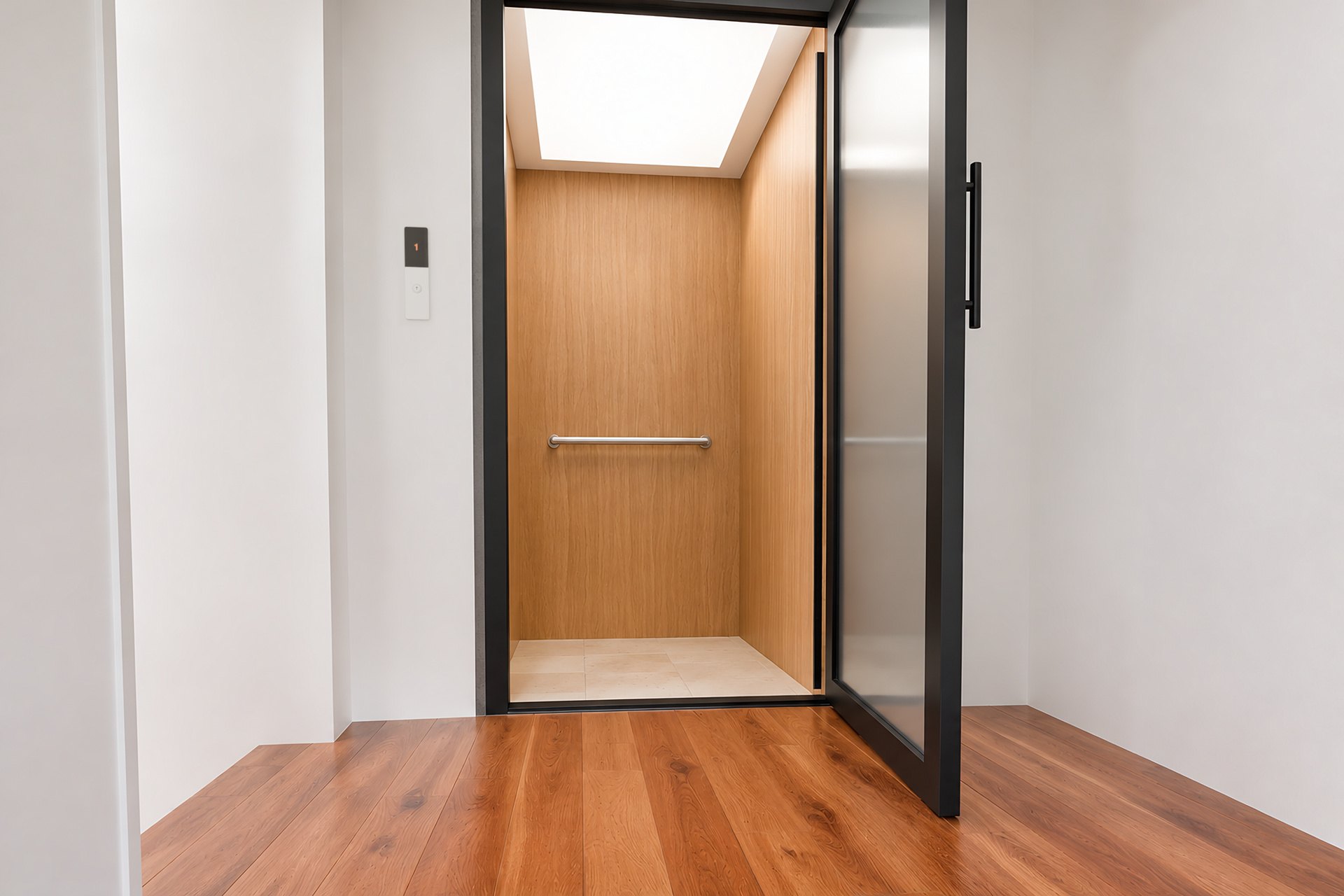
No. A pit is a shallow recess in the floor at the lowest landing. It lets the cabin floor sit level with your floor, so you can walk or roll straight in. How deep it has to be depends on the lift.
The RISE 300 needs a pit of 150 mm. Where cutting the slab is a problem, it can sit in a 50 mm pit with a ramp into the cabin. Other lifts need deeper pits, which is why you hear such different numbers. Get the pit depth in writing for the exact lift you’re being quoted.
Does it need a machine room?
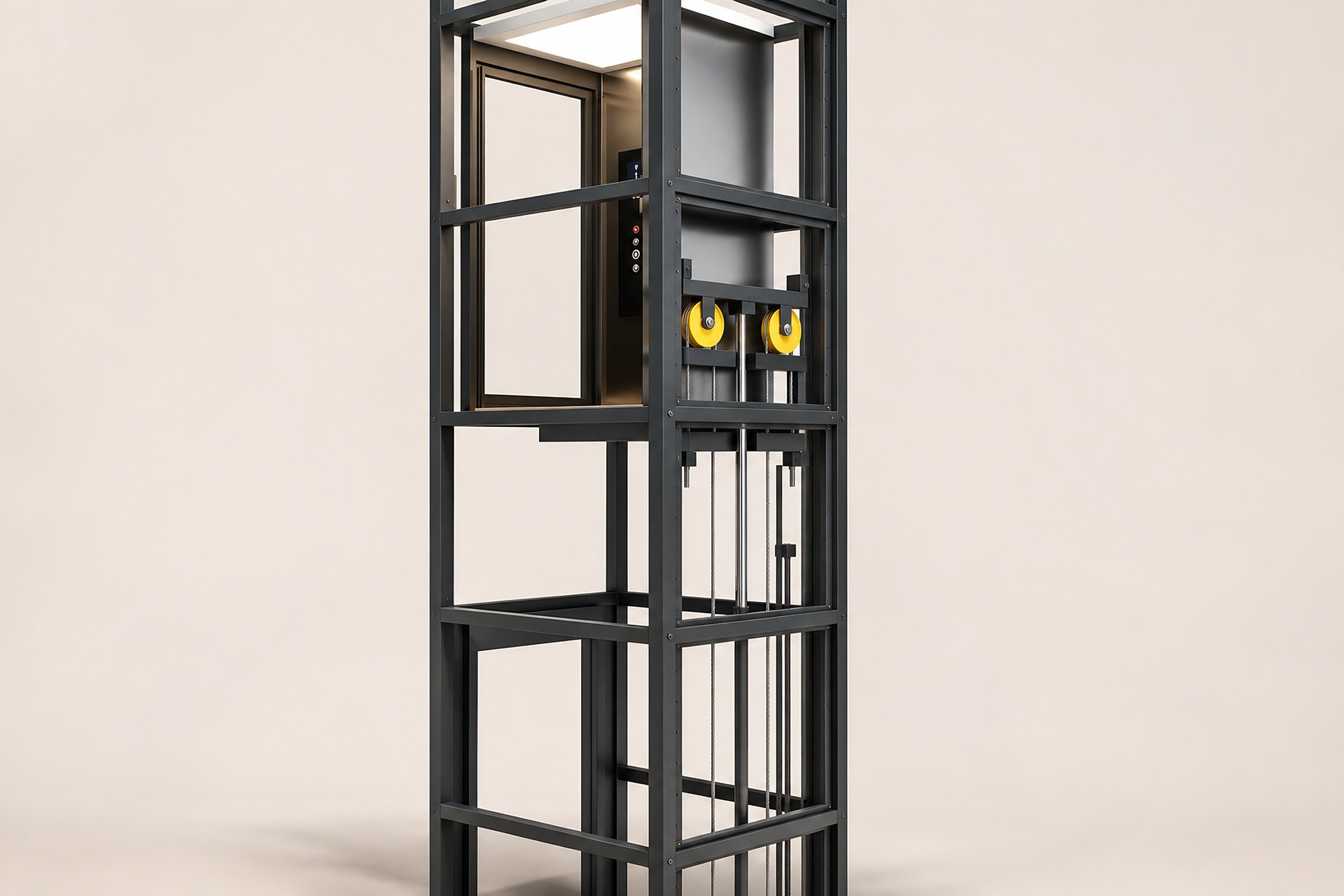
No. The RISE 300 has no counterweight running in the shaft and no machinery above your ceiling. Its power unit (the motor, the pump and the oil tank) sits in a cupboard near the lift. How a hydraulic home lift works shows where each part goes.
Do you need a building permit?
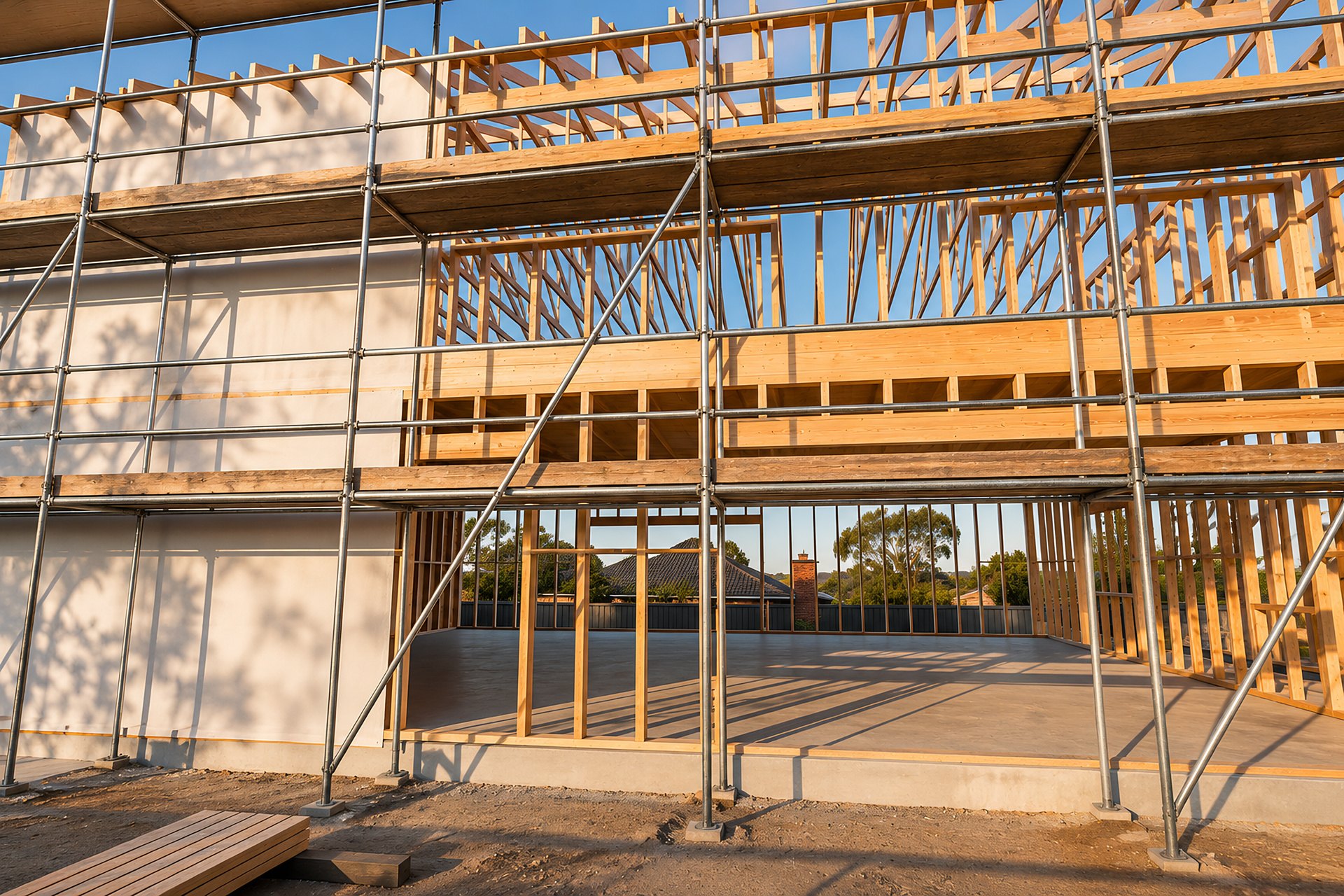
It depends on the building work. In Victoria you need a building permit from a registered building surveyor when a floor is cut or a shaft is built.
A self-supporting glass tower carries its own rails, so one standing in an existing void, with no floor cut and no shaft built, doesn’t need a building permit. A planning permit is a separate question, and our permit guide covers both.
Is a home lift GST-free?
Lifts are quoted plus GST. Most lift companies take the GST off when the lift is for someone with a disability or a medical condition and you give them a letter from your doctor. NDIS-funded lifts can be GST-free through the participant’s plan and a written agreement.
If yours qualifies, get GST-free written on the quote, so it can’t be added back later. Our funding guide covers Support at Home, DVA and the NDIS as well.
Will a power cut leave you stuck?
In a power cut, a RISE 300 lowers to the lowest landing on battery power, so you can step out. Ask every company you talk to what their lift does, and read what happens to a home lift in a power cut before you sign.
Do you need a big house?
No. A RISE 300 shaft is made to its site, from 800 x 800 mm up to 1400 x 1400 mm, and it serves 2 to 5 levels. Whether one fits your house comes down to eight measurements, and our space guide walks through each of them.
Is a home lift only for wheelchairs?
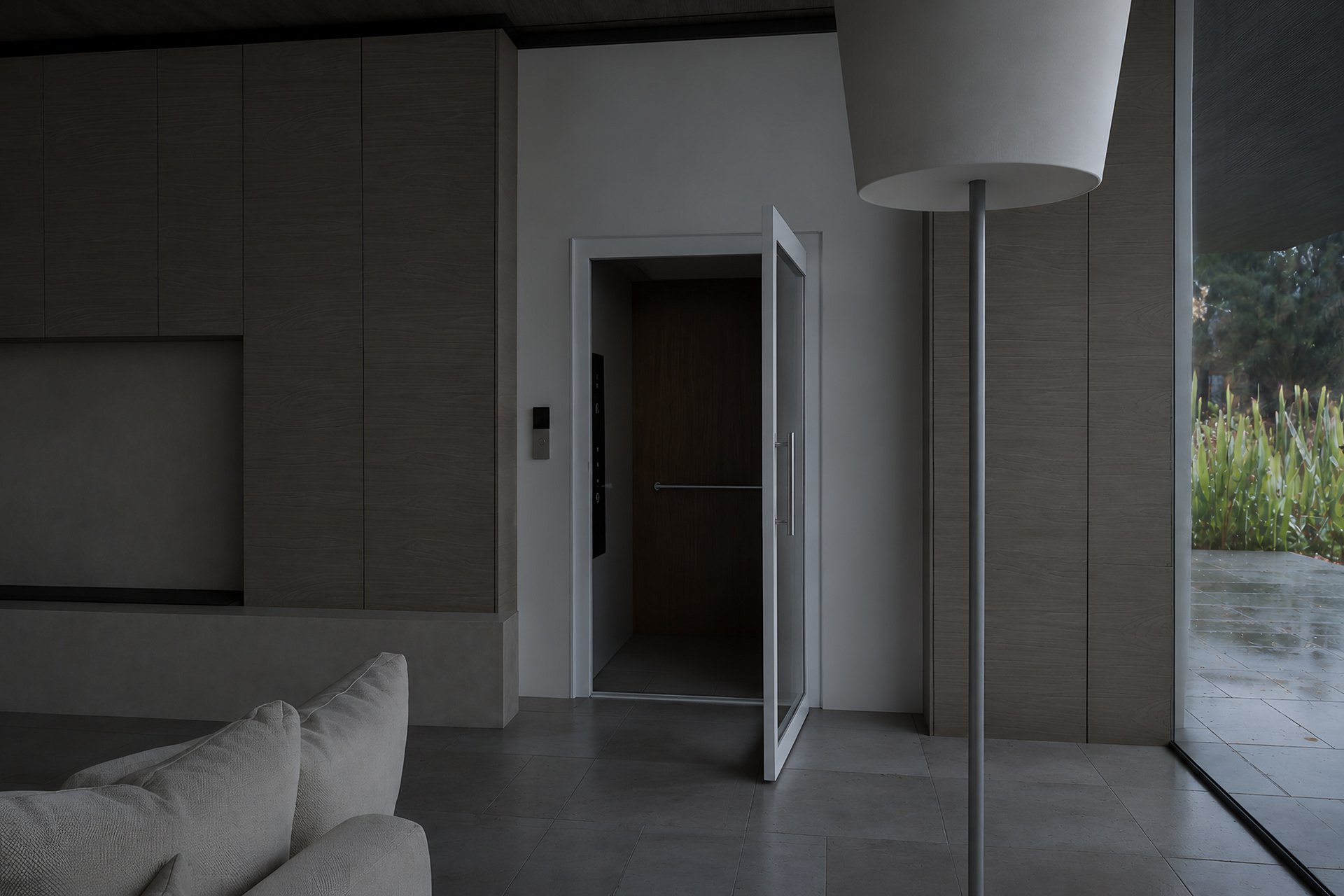
A home lift carries whoever lives in the house, and their shopping, prams and suitcases too. The RISE 300 is rated for 400 kg, up to 5 people, and the larger cabin sizes are wheelchair friendly. If the worry is that it will look clinical, see will a home lift look like a hospital?
Put these questions to every company you’re comparing, and get the answers in writing for the lift they’re quoting.