Start with them
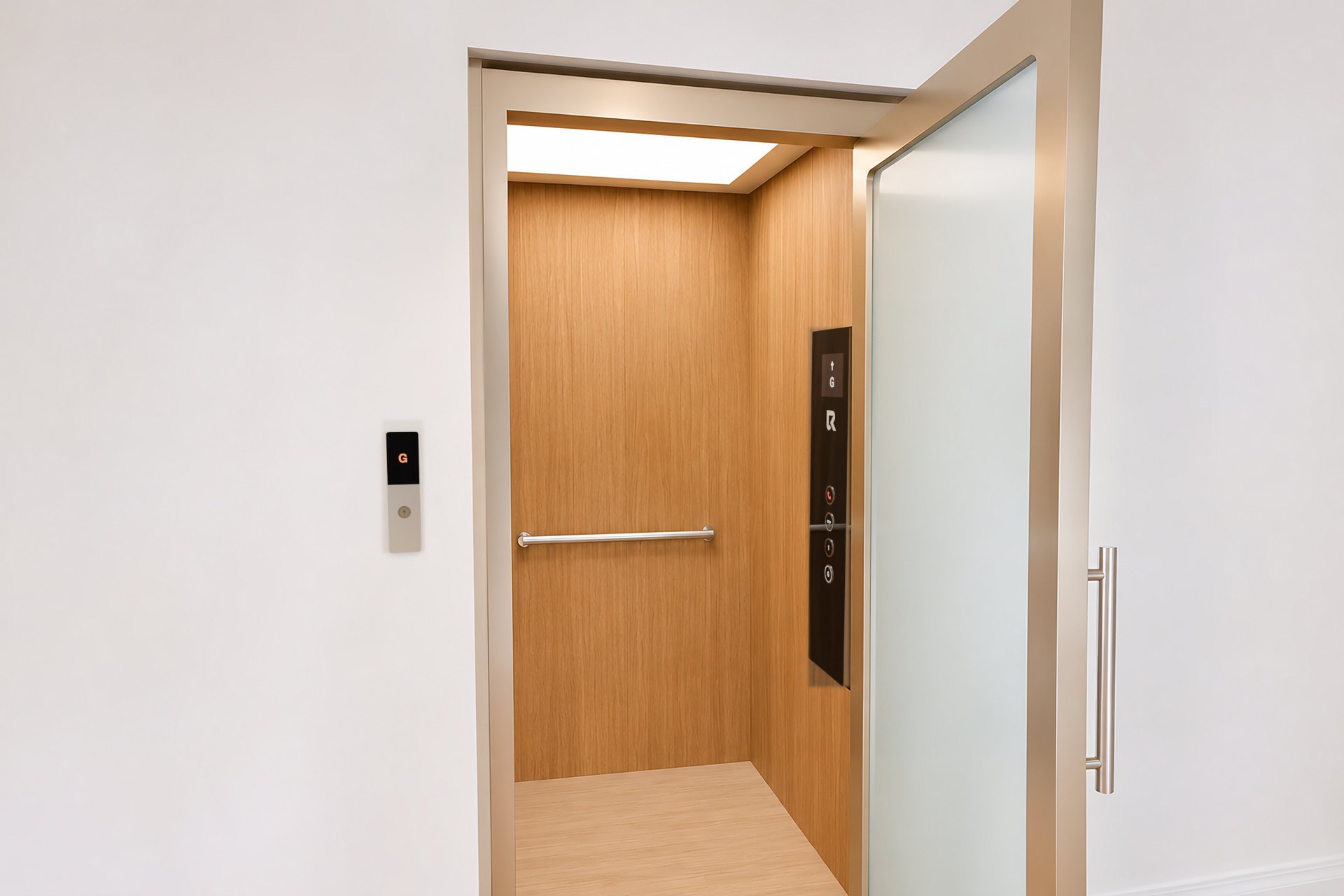
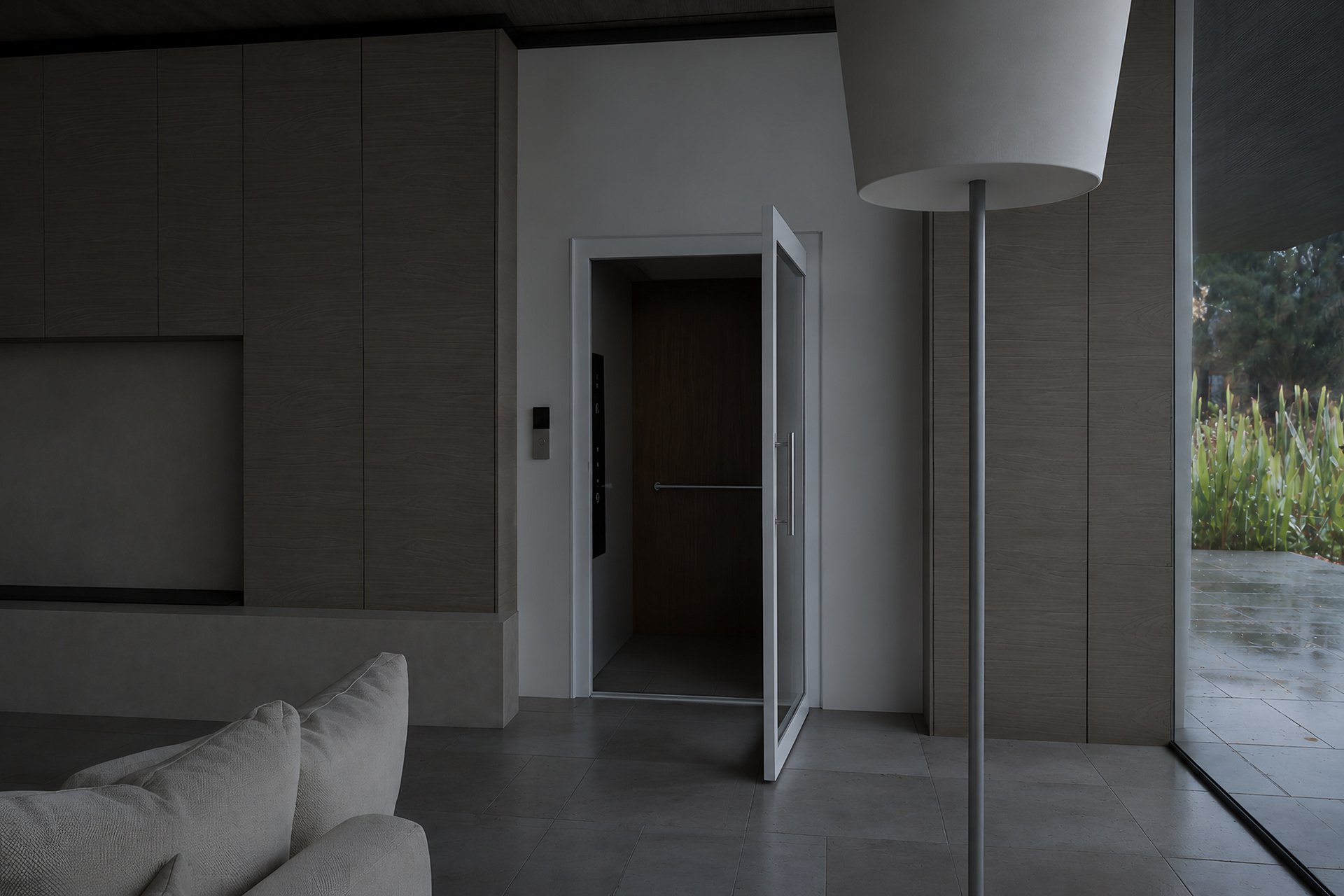
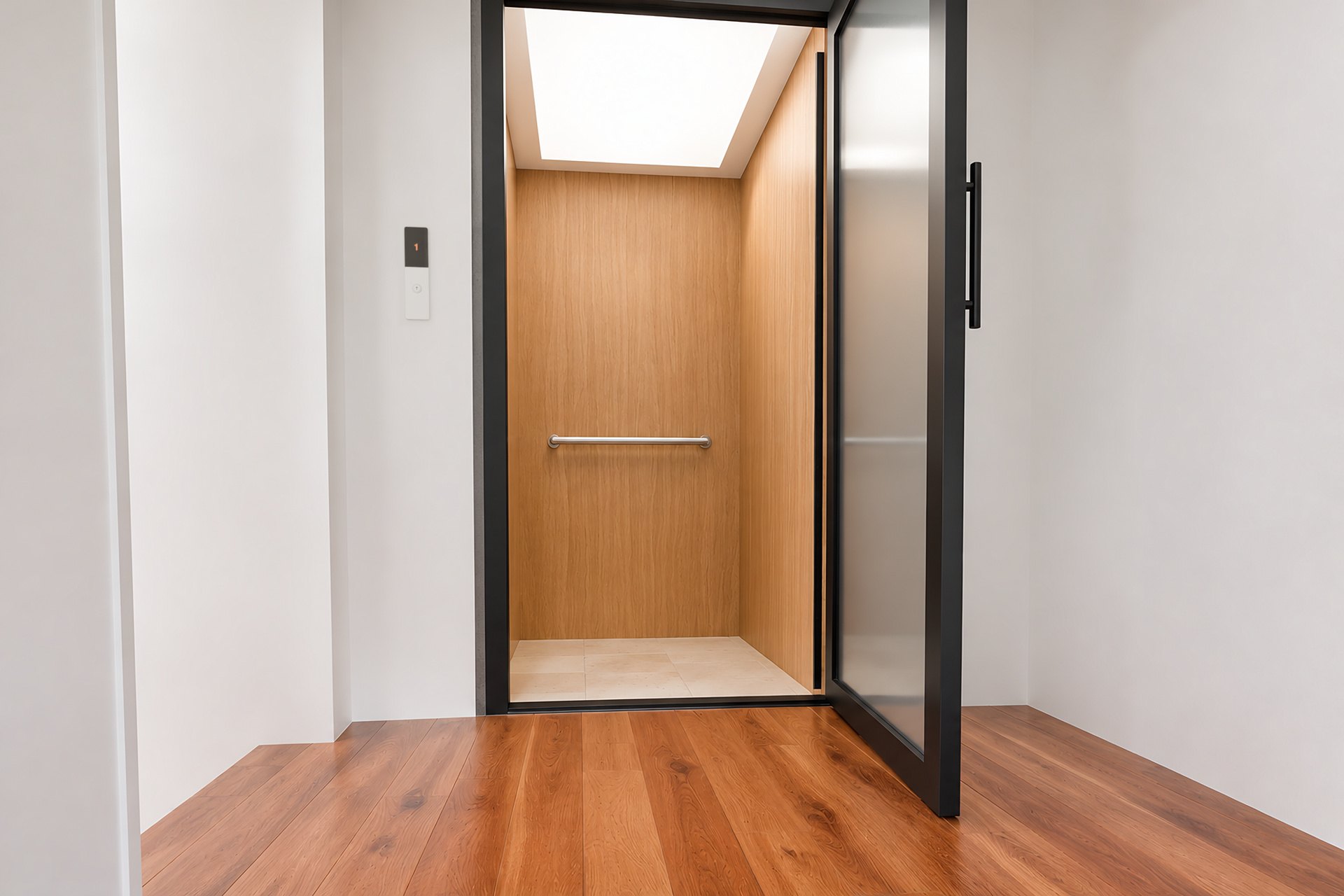
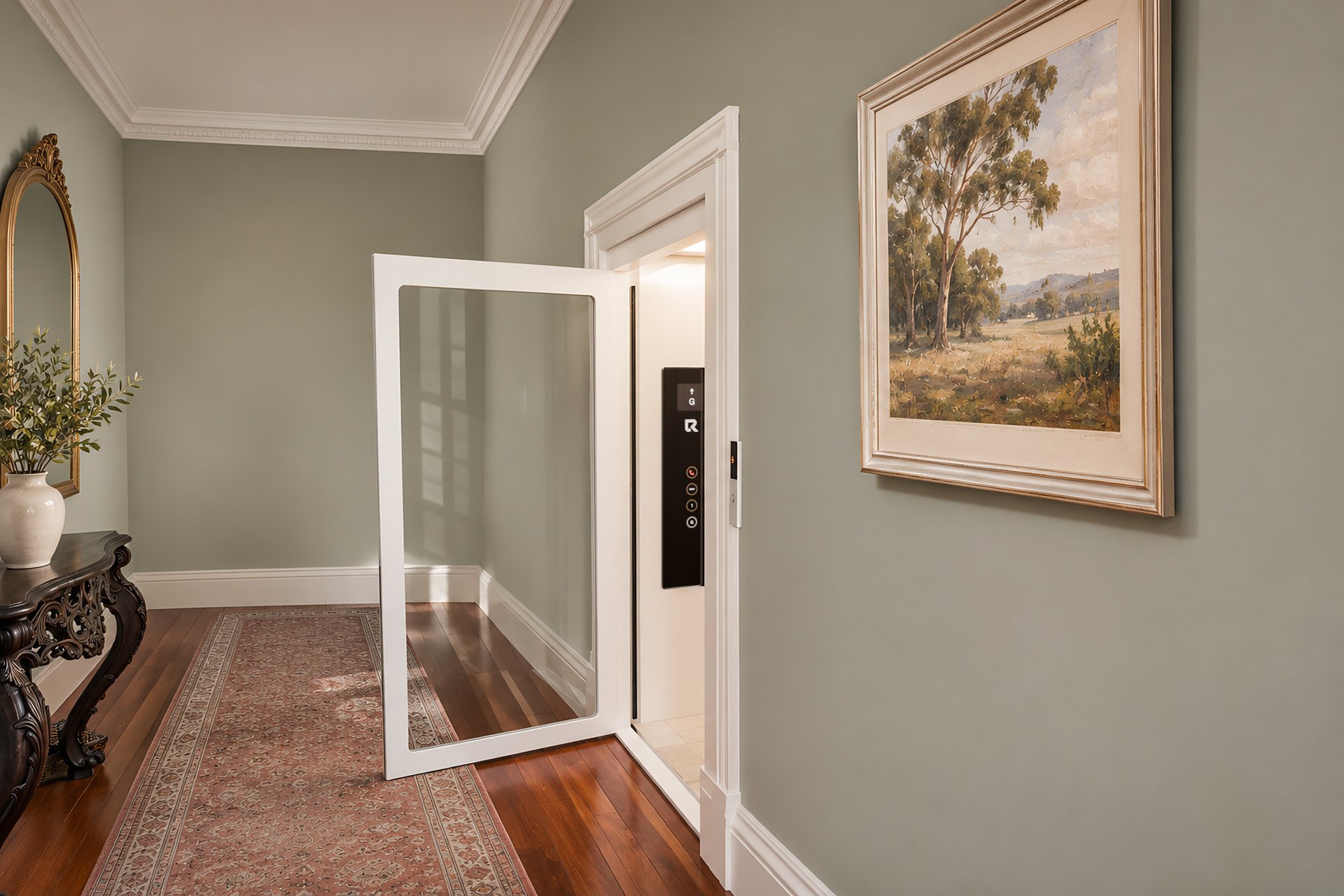
It’s their house and their routine. A lift they didn’t choose can end up unused, so bring them into the decisions from the start: whether they want one at all, where it goes, and how it looks. If they’re worried it will make the house feel like a care home, show them the cabins and finishes first. Will a home lift look like a hospital? has the pictures.
A lift isn’t the only answer, either. Some families move a bedroom downstairs, fit a stairlift, or move house. Our page on home lift, stairlift or moving puts six options side by side, which helps when you’re having that conversation.
Check funding before anyone quotes
Funding comes through Support at Home (up to $15,000), DVA or the NDIS, and each one starts with an occupational therapist who assesses the person and the house. The OT has to prescribe the work, and you usually pay a share.
On GST: lifts are quoted plus GST, and most lift companies take it off when the lift is for someone with a disability or a medical condition and you give them a letter from your doctor. Our funding guide covers each program and what we can give your OT.
Get the house measured
Every house is different, and a lift goes in one of a handful of places: beside the stairs, in a void, through stacked cupboards, or outside in its own glass tower. Our page on lifts in existing houses goes through them, with the eight measurements that decide it.
While you’re looking, think about:
- The lowest landing. In a power cut, a RISE 300 lowers on battery to the lowest landing. If that’s a garage, there needs to be a way back into the house from there. What happens to a home lift in a power cut has the checklist.
- Walkers and wheelchairs. Landing doors are made to each opening, and the larger RISE 300 cabin sizes are wheelchair friendly. The lift is rated for 400 kg, up to 5 people.
- The ride. Every journey starts and stops softly.
When to start
Put a lift in years before it’s needed and you’ll pay to service it in the meantime. Leave it until the stairs are impossible and you’ll be doing it in a hurry.
From our assessment to the first ride usually takes 10 to 12 weeks (as of October 2026). Funding adds its own steps before that, so start the OT conversation early.
Be there for the visit
Book the free assessment for a time your parent can be home, and come along if you can. It’s one visit, and you’ll both hear the same answers.